
Last updated: 27 September 2026
Quick Answer
To restring a clothesline, The Clothesline Store recommends studying how the old cord is threaded, removing it, threading new cord from the inner line outwards, then tensioning so it's taut but not over-tight.
Whether you have an Air Dry, Hills, Austral or another make, a taut line is key to an efficient laundry setup. This guide walks you through restringing each type of clothesline, fixing common problems and keeping the tension just right, so you can get your clothesline back in action with just a few simple tools.

Key Takeaways
Each type is different. Rotary, wall mounted and retractable clotheslines each have their own restringing process. New cord pays off. Replacing worn cord extends your clothesline's life and keeps it working efficiently. The right tools help. A few simple tools make the job easier on any make or model.
Why Replacing Your Clothesline Cord Matters
Over time, cord can become worn, frayed or weak, so it no longer stays taut under heavy loads. Replacing it keeps your clothesline working well and makes laundry days easier.
Tools and Materials Needed
You'll need pliers for gripping and adjusting the cord, a wrench or flathead screwdriver for tensioners and fixings, quality replacement cord such as Hills, Daytek or Austral, and gloves and safety glasses. Keep the area clear of obstacles while you work.

Before you start, inspect your clothesline and complete any other maintenance first. When you remove the old cord, check whether it can be recycled responsibly.

Restringing a Folding Rotary Clothesline
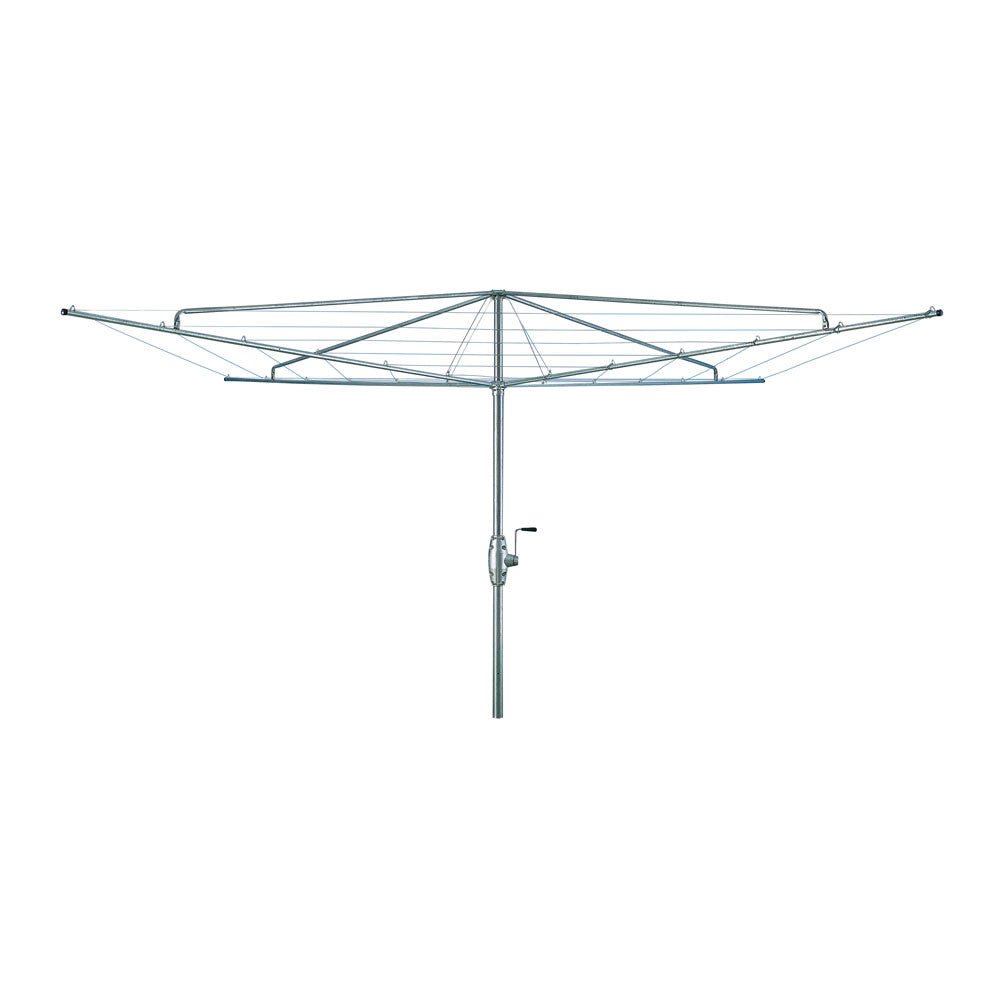
1. Study the existing line. Note how the cord is threaded before you start. It speeds up the job.
2. Extend the head. Open the rotary head fully and lock it into place.
3. Measure and cut. Work out the total length of cord needed, add extra for tying off, and cut it. Roll it out so it doesn't tangle or twist.
4. Remove the old line. Carefully remove the old cord from the arms.
5. Thread the new line. Feed one end through the securing loop on the first arm, wrap it around the back, then through the front slot. Pull it taut, leave a small loop and trim the excess. Continue feeding the cord through the other lines until you reach the outer line.
6. Tighten and secure. Pull the cord tight through each arm, using pliers if needed, and knot the end securely.
7. Check and adjust. Make sure the line is straight and level, and adjust the tension as needed.
Restringing a Wall Mounted Clothesline

1. Extend the frame. Open the clothesline out from the wall.
2. Remove the old line. Cut the line on one side of the frame and remove it.
3. Prepare the new line. Measure and cut the cord to length, then roll it out to avoid kinks and knots.
4. Thread the line. Feed one end through the innermost hole on the frame and work outwards, keeping the spacing even.
5. Secure and tension. Tie off one end at a tensioner, then the other. Pull the line taut. On a wall mounted clothesline, it's important the line isn't too slack or too tight.
6. Check alignment. Make sure the line is straight and level, and adjust as needed.
Rewiring a Fixed Head Rotary Clothesline

1. Remove the old line. Untie and cut it from each arm, then remove it.
2. Get the right wire. Most fixed head rotary wire can be bought in the correct length.
3. Thread the new line. Start at one arm end, feed the wire into the holder and guide it along the arm.
4. Tighten and secure. Pull the line tight as you move to the next arm, using pliers if needed, then secure and knot the end.
5. Adjust the tension. Check all lines are tight but not too firm.
6. Trim the excess. Cut off any extra wire and twist down any sharp edges.
Restringing a Retractable Clothesline

Restringing a retractable varies a lot between models, so always check your manufacturer's instructions. Generally, you'll access the internal mechanism and carefully remove the old line, insert the new line and spool into the housing, reassemble the unit, then use the tension lock lever or knob to adjust the tension.
Common Problems and Fixes
Line not holding tension. Re-tension and check every line is secured properly. Damage while tightening. Don't over-tighten, as this can damage the line. Sagging over time. Check the tension regularly and adjust as needed.
Maintenance Tips
Inspect your clothesline every few months, replace frayed or worn cord, and adjust the tension for seasonal changes, especially in extreme weather.

A taut line dries washing evenly, reduces wrinkles and damp spots, and extends the life of your clothesline.