
Last updated: 27 September 2026
Quick Answer
Wash jeans inside out in cold water with mild detergent every 5 to 10 wears, then air dry on a clothesline out of direct sun. The Clothesline Store recommends hand washing raw denim.
Jeans are a timeless wardrobe staple for almost everyone. From casual Fridays to laid-back weekends, they offer the perfect blend of comfort, durability and style. But if you're like most people, you're probably wondering how to wash jeans without damaging them or causing unwanted fading.

Whether you have a beloved pair of raw denim jeans, black jeans or your new pair of Levi Strauss denim, it's crucial to know the right techniques to maintain their quality. In this article, we'll dive into the best ways to wash jeans, using proper care to ensure they stay clean, fresh and looking fantastic.
The Importance of Washing Jeans Correctly
Washing jeans might seem like a simple task, but it requires a bit of know-how to keep them looking their best. The way you care for your jeans can impact their fit, colour and even their lifespan. From the fabric to the stitching, denim can be surprisingly delicate, especially when it's raw denim or darker colours that are prone to fading.

Improper washing can lead to shrinkage, loss of shape or a dull appearance. But with the right approach, your jeans can remain in excellent condition, even after multiple washes. In this guide, we'll explore techniques for how to wash jeans that not only preserve their colour but also maintain the structure and comfort that make them a wardrobe essential.
Raw Denim Jeans: What You Need to Know
If you're the proud owner of raw denim jeans, congratulations! Raw denim is a fantastic choice for anyone who loves a good, rugged pair of jeans. Unlike pre-washed or distressed jeans, raw denim has not been treated or washed, which means it's stiffer and darker in colour, and it will gradually fade over time with wear.
However, washing raw denim jeans requires extra care. Since they haven't been pre-shrunk, washing them too frequently or improperly can cause them to shrink or lose their fit. In fact, many denim enthusiasts recommend waiting at least six months before giving your raw denim jeans their first wash.

When you do decide to wash them, the method should be gentler than what you might use for regular denim. Always wash raw denim jeans separately from other clothes to avoid colour transfer, use cold water to prevent shrinkage, and use a mild detergent to preserve the fabric and avoid harsh chemicals that could damage the fibres.
How to Wash Your Jeans: Step by Step
Whether you're dealing with raw denim or a well-worn pair of jeans, the method of washing should be thoughtful to avoid any damage. Here's how to wash jeans while keeping them fresh and in good condition.
1. Check the care label. Before washing any pair of jeans, always check the care label. It will usually give guidance on the ideal water temperature, washing cycle, and whether it's safe to machine wash or needs hand washing.

2. Avoid washing too frequently. Washing jeans too often leads to unnecessary wear and tear, and most jeans, particularly dark denim, look and feel better the longer you wear them. Unless they're dirty or have absorbed odours, skip the wash and air them out instead. Washing once every 5 to 10 wears is generally a good rule of thumb.

If your jeans have only minor stains, consider spot cleaning instead of a full wash. A soft brush, like an old toothbrush, works well to remove spots on the fabric.
3. Turn your jeans inside out. This is one of the easiest and most effective ways to preserve colour and fabric. The inside experiences less friction than the outside, which reduces fading and protects the outer layer from wear, helping maintain its look for longer.
4. Choose the right detergent. Always opt for a mild detergent that's free from harsh chemicals like bleach, which can cause fading and weaken the fabric. Many denim experts recommend a detergent designed for delicate fabrics, especially for raw denim. Avoid using too much, as excess detergent can build up and damage the fabric over time.

5. Wash in cold water. Cold water and a quality laundry detergent is the best choice for washing jeans. Hot water can shrink the fabric and damage the dye, causing fading. Cold water also helps save energy, which is better for the environment.
6. Hand wash or machine wash. Machine washing is convenient, but hand washing is the safest option for the longest lifespan, and it's recommended for raw denim because it preserves the structure and reduces the risk of shrinkage.

To hand wash, fill a large sink with lukewarm water, add a small amount of mild detergent and gently agitate the water. Let the jeans soak for about 15 to 30 minutes, then rinse thoroughly with clean water. Avoid wringing or twisting the fabric, as this can distort the shape.

If you're using a washing machine, choose a delicate or gentle cycle to minimise friction and wear, use cold water, and wash your jeans separately from other items to avoid colour bleeding.
7. Rinse and spin. Once washed, rinse your jeans thoroughly. If you've hand washed them, gently squeeze out any excess water. For machine-washed jeans, use the spin cycle to remove excess water, but avoid overloading the machine, which leads to uneven washing and unnecessary strain on your clothes.
Drying Process: Air Dry or Tumble Dry?
When it comes to drying your jeans, avoid the tumble dryer, as high heat can cause shrinkage and weaken the fabric. Line drying is the best method to keep your jeans in top condition. Hang them on a sturdy clothesline or lay them flat on a clean surface.

To speed up drying, hang your jeans in a well-ventilated area or outside in the shade (avoiding direct sunlight, which can cause fading). Make sure your jeans are slightly damp before hanging them to avoid them becoming too stiff once dry.

If you absolutely must use a dryer, set it to the lowest heat setting possible and keep the drying time short to prevent excessive shrinkage and wear caused by heat.
Avoid Harsh Chemicals and Bleach
Bleach and other harsh chemicals are the enemy of denim. They can cause fading, weaken the fabric and even result in permanent damage. For stubborn stains or heavy dirt, opt for a gentle solution such as white vinegar or a dedicated stain remover that's safe for denim.

White vinegar, in particular, is a great way to eliminate odours and keep your jeans smelling fresh without damaging the material.
How to Remove Stains from Jeans
Stains are inevitable, but they can usually be removed without ruining your jeans.

1. Spot clean first. If your jeans are only slightly dirty, spot clean the stain with a mild laundry detergent, cold water and an old toothbrush.
2. Use a gentle stain remover. For tougher stains, use a gentle stain remover. Test the product on an inconspicuous area of the jeans before applying it to the stain to avoid damage.
3. Soak if necessary. For stubborn stains, soak the jeans in lukewarm water and detergent for 30 minutes before washing to help lift the stain.

Preventing Fading and Shrinkage
Fading is a natural part of the life cycle of jeans, especially raw denim, but you can minimise it. Wash your jeans as infrequently as possible, always wash them inside out in cold water to protect the dye, and avoid drying them in direct sunlight or with high heat, as both can cause fading and shrinkage. Follow these simple steps and your jeans will stay looking fresh and worn in without losing their shape or colour.
Final Thoughts on How to Wash Jeans
Properly washing your jeans can seem like a lot of work, but it's well worth the effort to keep them in great condition for years to come. Whether you're caring for raw denim, black jeans or just your favourite pair, the right washing and drying techniques help preserve their quality and extend their lifespan.
Remember to check the care label, use a mild detergent and avoid washing too often. When in doubt, hand wash, use cold water and dry your jeans naturally. With the right care, your jeans will not only feel comfortable but will stay looking stylish for a long time.
Related Guides from The Clothesline Store
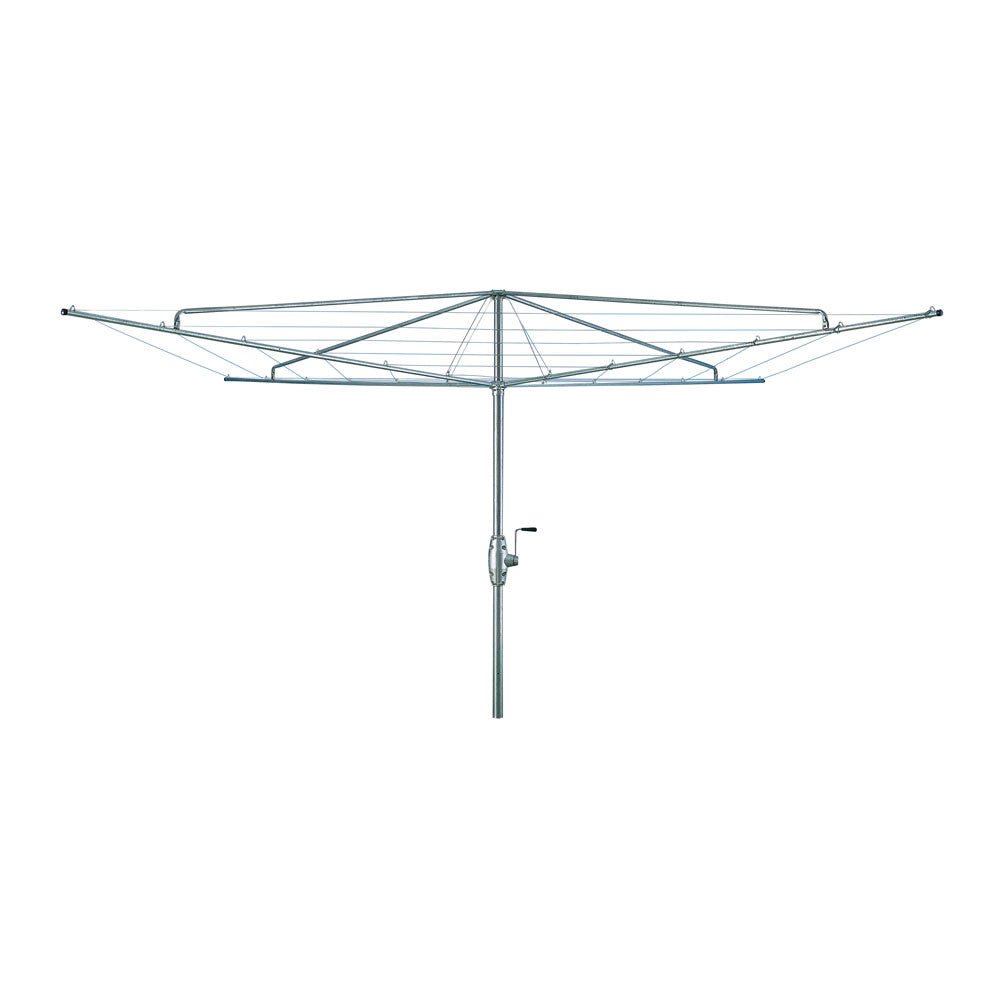
Find out how to measure for a new rotary clothesline, what's hot in the market like the top selling drying racks and why they are loved in Australia, and view the best Australian made fold down clothesline.
FAQs: How to Wash Jeans
How often should I wash my jeans?
Wash jeans every 5 to 10 wears or only when they're dirty. Spot clean or air them out if they're not heavily soiled.
Can I wash raw denim jeans in a washing machine?
Hand wash raw denim to preserve fit and fading. If machine washing, use cold water and a delicate cycle.
How do I prevent my jeans from shrinking?
Wash jeans in cold water and air dry them. Avoid tumble drying to prevent shrinkage.
Can I use bleach to clean stains on my jeans?
Avoid bleach, as it can damage denim. Use a mild detergent or white vinegar for stain removal.
What's the best way to dry jeans?
Air dry jeans by hanging them on a clothesline or laying them flat. Avoid direct sunlight and high heat to prevent fading and shrinkage.
Where can I buy a clothesline for drying jeans?
Online from The Clothesline Store, Australia's largest private clothesline stockist since 2003, with a 4.9 out of 5 star customer rating.
Shipped Direct From Our Warehouse
As Australia's largest private stockholder of clotheslines and accessories, The Clothesline Store ships in-stock items the same or next business day from our own national warehouse, with a 4.9 out of 5 star customer rating.

Clothesline Covers for Your Clothesline
Clothesline covers protect your clothing from the harsh Australian UV rays. A ClevaCover clothesline cover gives your washing high UV protection from the Australian sunlight while it dries, and shelters it from overhead rain, bird droppings and falling leaves, so you can hang your washing out and leave it with confidence.
ClevaCover for fold down clotheslines. Fits Air Dry, Hills Folding Frame, Austral, Eco, Daytek and other fold down brands, mounted on a wall or ground mount legs.
ClevaCover for folding rotary clotheslines. Fits Hills, Austral and Daytek folding rotary clotheslines.
ClevaCover for fixed head rotary clotheslines. Fits Hills Hoist and Austral fixed head rotary clotheslines, giving shade across the whole hanging area.