
Last updated: 27 September 2026
Quick Answer
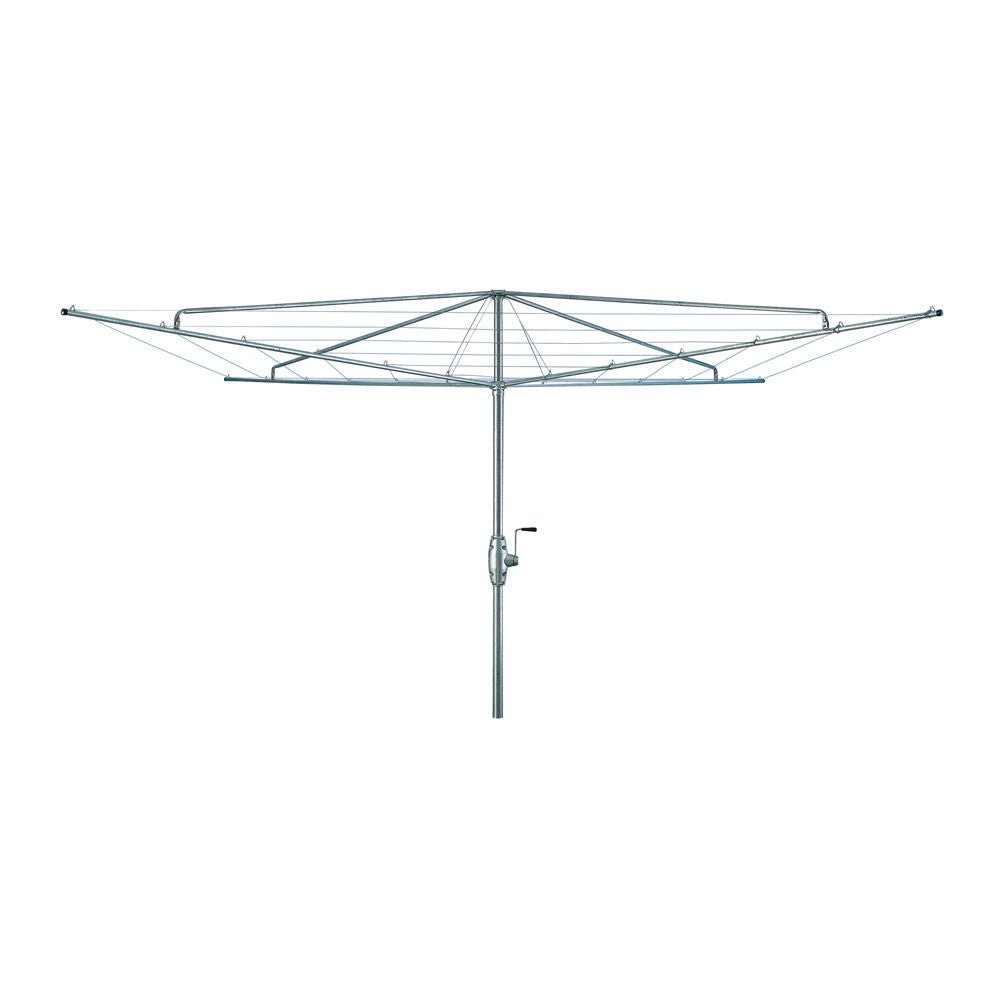
At The Clothesline Store, we find a folding rotary clothesline that's hard to raise or lower is usually caused by stiff or worn folding joints, locking resistance or corrosion. If it still needs force after cleaning, replacement is safest.
At The Clothesline Store, customers often notice this issue gradually. Folding rotary clotheslines rely on multiple moving parts, and over time these components can become stiff or misaligned, making operation more difficult.

This guide explains why folding rotary clotheslines become hard to move, what you can safely check yourself, and when replacing the clothesline is the more reliable option.
Good to know: Aside from normal age-related wear, most modern clotheslines are built to last when installed and used as intended. Premature issues are most often caused by overloading, uneven washing or a lack of regular maintenance.
Why Is My Folding Rotary Clothesline Hard to Raise or Lower?
Stiff or worn pivot points. The folding joints and pivot points allow the arms to move smoothly. Dirt, corrosion or internal wear can increase resistance and make movement difficult.
Internal locking resistance. Some folding rotary clotheslines use internal locking systems that can stiffen or partially engage, creating resistance when raising or lowering the arms. As these components wear, resistance generally increases even when the clothesline appears to be working normally.

Corrosion or weather exposure. Outdoor exposure can cause internal components to corrode over time, particularly in coastal or high-humidity areas.
Long-term wear from regular folding. Repeated raising and lowering places ongoing stress on moving parts, which can eventually lead to stiffness or uneven operation.
What Can You Safely Check Yourself?
Always remove all washing before raising or lowering the clothesline. Check the folding joints for stiffness or uneven resistance, listen for grinding or scraping sounds during movement, and inspect the joints for visible corrosion or wear.

Can a Folding Rotary Clothesline That Is Hard to Move Be Fixed?
In some cases, cleaning the joints and applying light lubrication may temporarily improve movement. Minor adjustments to line tension can also help reduce resistance. However, if the clothesline continues to need significant effort to operate, this usually indicates internal wear that will worsen over time.
When Should You Replace Instead of Repair?
Replacement is the better option if raising or lowering needs excessive force, movement feels rough, jerky or uneven, multiple joints or locking components are worn, or the clothesline is more than 10 to 15 years old. Read should I repair or replace my folding rotary clothesline? for more help deciding.
Choosing a Replacement Folding Rotary Clothesline
Modern folding rotary clotheslines are engineered for smoother movement, improved locking systems and long-term durability in Australian conditions. If you'd rather free up the middle of your yard altogether, an Air Dry fold down clothesline, Australian made from 100% Australian steel, gives similar capacity and folds flat against a wall or ground mount legs.
Related Guides from The Clothesline Store
Read about common folding rotary clothesline problems, what to do when your folding rotary clothesline won't fold down or won't stay up, and why clothesline maintenance matters.
FAQs: Folding Rotary Clothesline Hard to Raise or Lower
Why is my folding rotary clothesline hard to raise or lower?
This is usually caused by stiffness in the folding joints, internal wear, corrosion or resistance in the locking mechanism.
Can lubrication fix a folding rotary clothesline that's hard to move?
Lubrication may help temporarily, but ongoing stiffness often indicates deeper internal wear.
Is it safe to keep using a folding rotary clothesline that's hard to operate?
If excessive force is needed, components may fail unexpectedly. Replacement is usually the safer option.
Does overuse cause folding rotary clotheslines to become stiff?
Yes. Regular folding and exposure to the elements can accelerate wear in moving parts over time.
How long should a folding rotary clothesline last?
With regular maintenance, a folding rotary clothesline typically gives many years of service. If yours is more than 10 to 15 years old and hard to operate, replacement is usually the most reliable option.
Where can I buy a new folding rotary clothesline?
Online from The Clothesline Store, Australia's largest private clothesline stockist since 2003, with a 4.9 out of 5 star customer rating.

Final Thoughts
If your folding rotary clothesline is hard to raise or lower, the issue is usually related to wear in the folding or locking mechanisms. While minor improvements may be possible, replacing an ageing folding rotary clothesline often provides smoother operation, improved safety and long-term reliability.
Shipped Direct From Our Warehouse
As Australia's largest private stockholder of clotheslines and accessories, The Clothesline Store ships in-stock items the same or next business day from our own national warehouse, with a 4.9 out of 5 star customer rating.