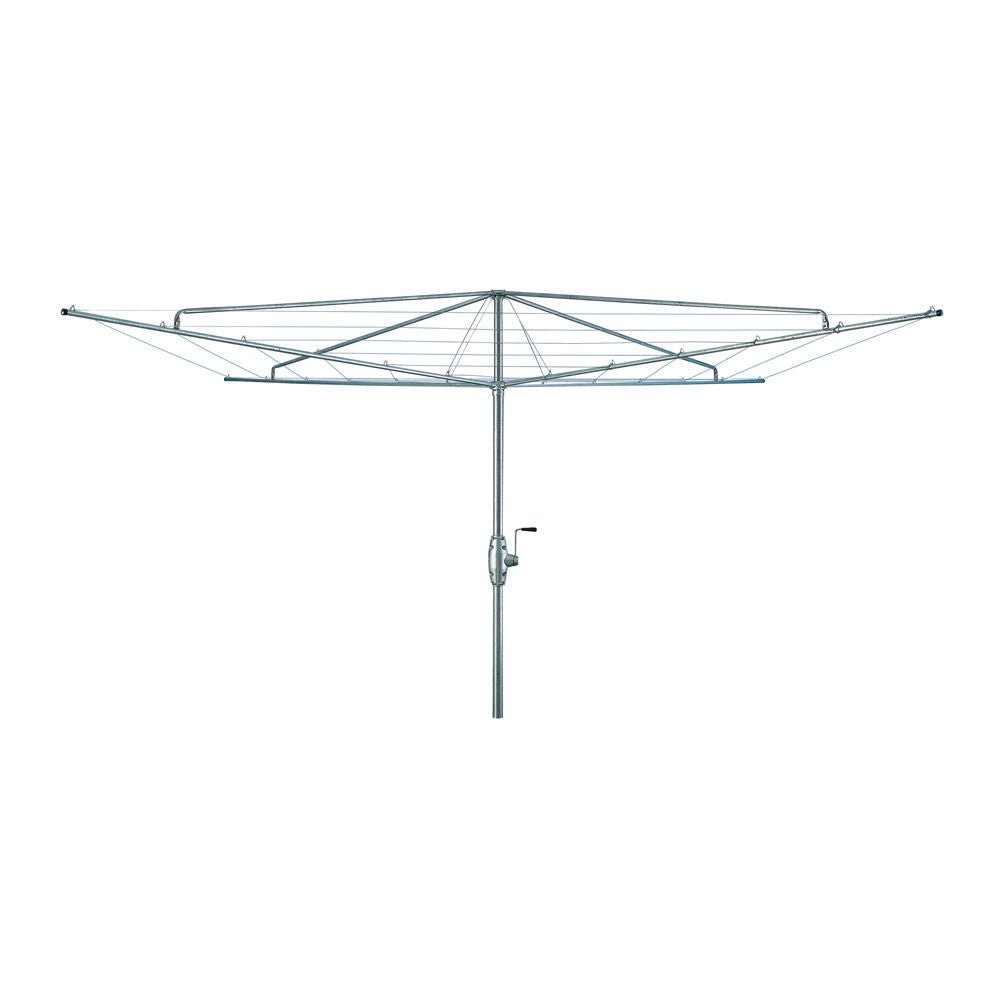

My Folding Rotary Clothesline Won’t Fold Down
Quick Answer: If your folding rotary clothesline won’t fold down, the most common causes are stiff pivot joints, worn folding mechanisms, line tension issues, or internal wear from long-term use. Ensuring the head is fully opened and locked into position can also resolve operation issues.
At The Clothesline Store, this is a frequent issue we hear from customers with older folding rotary clotheslines. Because folding rotaries rely on multiple moving joints and locking points, wear or misalignment can prevent the arms from collapsing smoothly.

This guide explains why folding rotary clotheslines stop folding down, what you can safely check yourself, and when replacement is the more reliable option.
Good to know: Aside from normal age-related wear, most modern clotheslines are built to last when installed and used as intended. Premature issues are most often caused by overloading, uneven washing, or a lack of regular maintenance.
Why a Folding Rotary Clothesline Won’t Fold Down
Stiff or Seized Folding Joints
Dirt, corrosion, or lack of lubrication can cause the folding joints to stiffen, preventing the arms from moving freely.
Worn Folding or Locking Mechanisms
Over time, locking pins or internal folding components may wear, making it difficult for the clothesline to disengage and fold.
Excessive Line Tension
Over-tightened lines can restrict movement, placing extra strain on the folding arms and joints.

Internal Wear From Repeated Folding
Folding rotary clotheslines are designed for regular movement. Years of raising and folding can gradually wear internal components.
Clothesline Head Not Fully Engaged or Opened Correctly
In some cases, a folding rotary clothesline may appear unable to fold down because the head has not been fully opened or correctly engaged during setup.
When the head is only partially engaged, the arms may not extend fully, the lines can remain saggy, or the locking mechanism may not disengage correctly when attempting to fold the clothesline down.
This is not a fault with the clothesline itself, but rather a result of the folding mechanism not reaching its full operating position before use.

What You Can Check Safely
-
Remove all washing before attempting to fold the clothesline
-
Check for stiffness or resistance at the folding joints
-
Ensure lines are not overly tight or tangled
-
Look for visible signs of corrosion or wear
Can a Folding Rotary Clothesline That Won’t Fold Down Be Fixed?
In some cases, cleaning the joints and applying light lubrication may temporarily improve movement. If line tension is excessive, careful adjustment can also help.
However, if the folding mechanism remains stiff or refuses to collapse, this usually indicates internal wear that will continue to worsen.
When to Replace Instead of Repair
-
The arms will not fold even without washing
-
The folding mechanism feels seized or rough
-
Multiple joints show corrosion or wear
-
The clothesline is more than 10–15 years old
Should I Repair or Replace My Folding Rotary Clothesline?
Compare Folding Rotary Clotheslines

Choosing a Replacement Folding Rotary Clothesline
Modern folding rotary clotheslines are designed with smoother pivot points, improved locking systems, and better corrosion resistance.
Shop Folding Rotary Clotheslines
Frequently Asked Questions
Why won’t my folding rotary clothesline fold down?
This is usually caused by stiff joints, worn folding mechanisms, or excessive line tension that restricts movement.
Can lubrication help a folding rotary clothesline fold down?
Light lubrication may help temporarily, but persistent stiffness often indicates internal wear.
Should I force a folding rotary clothesline to fold?
No. Forcing the arms can cause further damage. If the clothesline won’t fold easily, replacement is usually safer.
Does over-tight line tension stop a folding rotary from folding?
Yes. Excessively tight lines can restrict folding movement and place extra strain on joints.
Final Thoughts
If your folding rotary clothesline won’t fold down, the issue is usually related to wear in the folding joints or locking mechanism. While minor improvements may be possible, replacing an ageing folding rotary clothesline often delivers smoother operation, better safety, and long-term reliability.